

Lowering your cholesterol number with a supplement is not the same as lowering your heart attack risk. Niacin reliably improves LDL, HDL, and triglyceride numbers, but large clinical trials have found that this improvement does not translate into fewer heart attacks, strokes, or deaths.
The Rise of Cholesterol-Support Marketing
Cholesterol-support shots and supplements have become increasingly popular, often driven by customer testimonials showing “before-and-after” lipid panels that look objectively better. The marketing message is simple and intuitive: if the supplement improves your lipid numbers, your cardiovascular risk must have decreased. However, personal testimonials are not medical evidence. Just as you might question the necessity of an MTHFR supplement without proper testing, it is vital to scrutinize whether a supplement is actually influencing your health outcomes or merely your lab markers. Why You Might Not Need That MTHFR Supplement
What These Products Actually Change
Ingredients like niacin (nicotinic acid) directly impact the body’s lipid metabolism. Clinical data shows that niacin can indeed lower LDL cholesterol, increase HDL cholesterol, and reduce triglycerides. This is why people using these supplements often see a “better” lipid panel on their next lab report. The physiological effect on the blood test result is real, but the translation to cardiac health is where the logic fails.

The Number vs. the Outcome: What Large Trials Found
Large-scale clinical trials were designed specifically to test if the lipid-lowering effects of niacin actually prevented adverse cardiac events. The results were clear: moving the number did not move the needle on hard health outcomes.
Trial | What it tested | What it found |
|---|---|---|
AIM-HIGH | Niacin added to statin therapy | No reduction in cardiovascular events |
HPS2-THRIVE | Extended-release niacin/laropiprant + statin | No reduction in heart attack, stroke, or mortality |
AIM-HIGH Study and HPS2-THRIVE Study.
Why a Moving Number Isn’t Proof of Reduced Risk
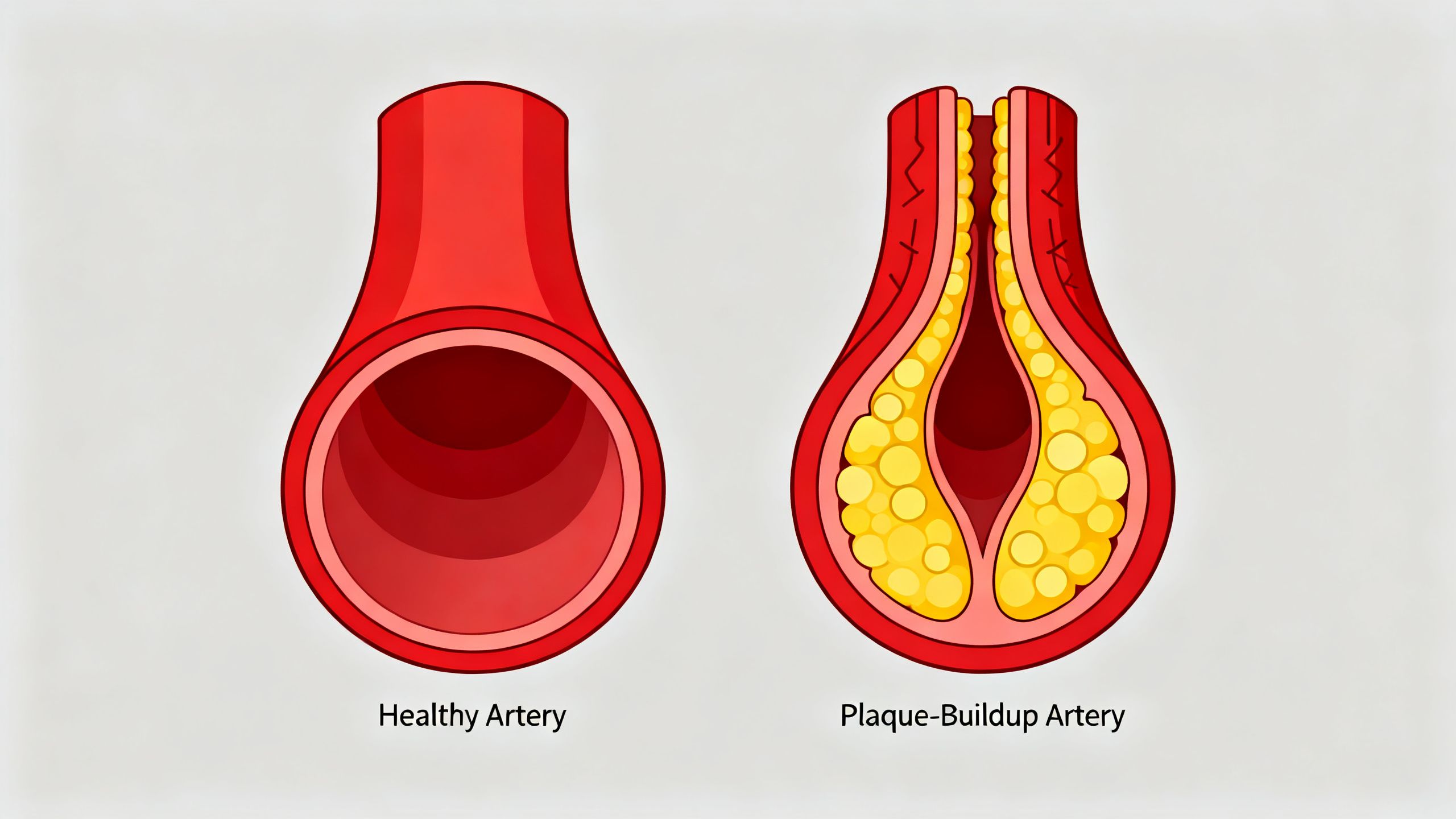
Medicine distinguishes between surrogate markers (like a cholesterol number) and hard outcomes (like a heart attack). A surrogate marker is a biological measurement used as a substitute for a true clinical endpoint. In the case of niacin, the lipid panel is a proxy. While the proxy moved positively in the trials mentioned above, the underlying pathology of atherosclerosis often continued unabated, resulting in no improvement in Major Adverse Cardiovascular Events (MACE).
Why This Gets Missed in Marketing
Marketing material relies on the immediate gratification of a “fixed” lab value. A customer sees their LDL drop after taking a supplement, and they share that positive result. This feels synonymous with safety. Conducted over years with thousands of participants, mortality trials provide a much higher evidence bar than an individual’s short-term blood test. Because the trials contradict the intuitive “fix the number” narrative, they are frequently omitted from promotional claims.
Where Lowering the Number Does Reduce Risk
It is important to state that reducing cholesterol is not inherently useless. The idea that lowering numbers reduces risk is validated for specific interventions that have undergone rigorous testing. Statins have been shown in multiple trials to lower LDL cholesterol and significantly reduce the frequency of heart attacks and strokes. Similarly, lifestyle interventions—such as sustained weight loss, consistent exercise, and dietary patterns high in fiber and low in processed fats—have been proven to improve both lipid profiles and long-term cardiovascular health outcomes. The discordance between number-lowering and risk-reduction is specific to certain supplement categories, not the concept of lipid management as a whole.

What Actually Predicts Cardiac Risk
If the standard lipid panel is only a surrogate, what should you track? Modern cardiovascular medicine emphasizes markers that correlate more strongly with actual plaque formation and inflammation. These include:
ApoB: A measure of the number of atherogenic particles in your blood.
Lp(a): A genetically determined protein that carries outsized risk when elevated.
hs-CRP: A key marker of systemic inflammation.
Family history and blood pressure control.
What To Do Instead of Chasing a Number
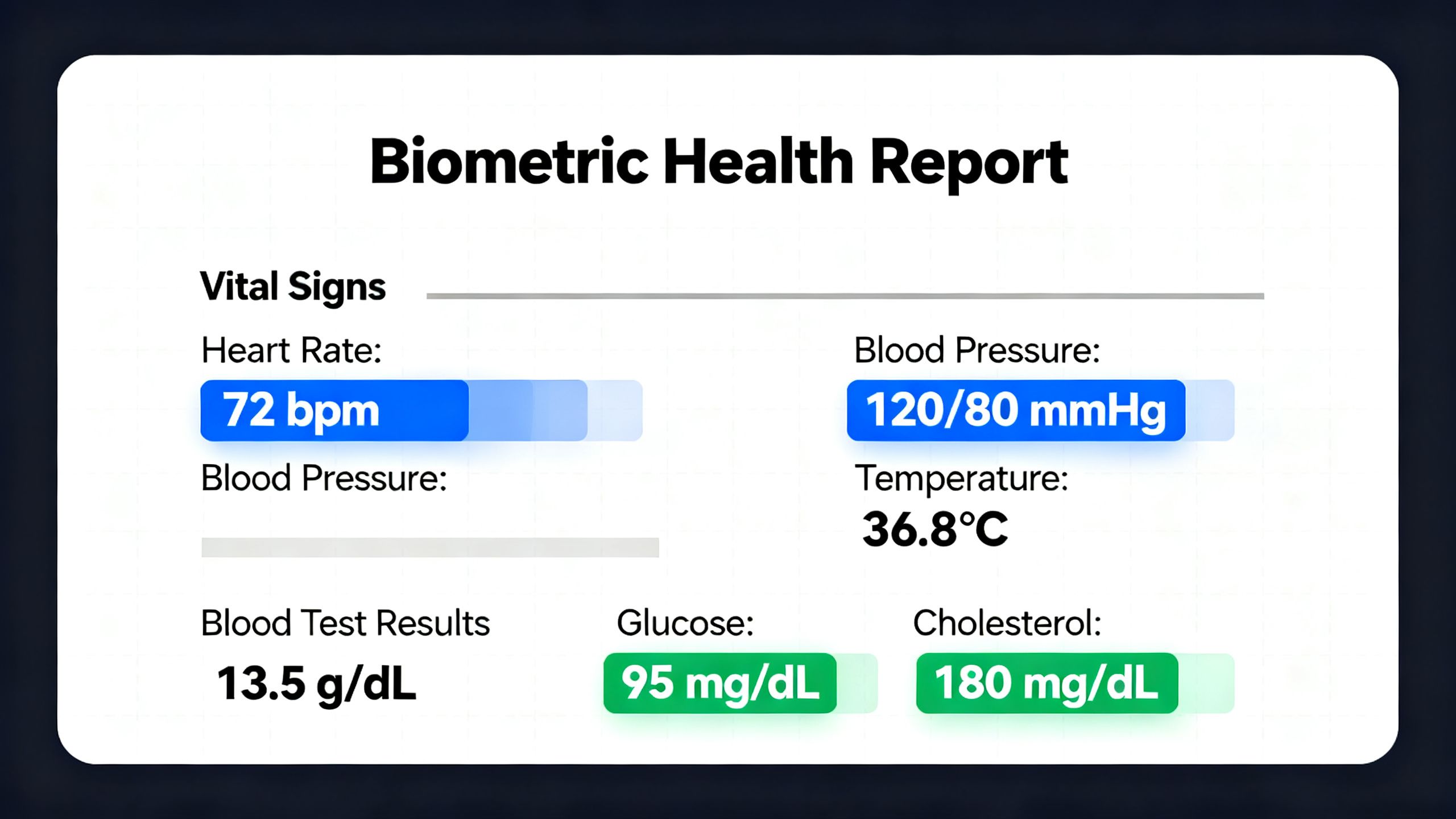
Rather than fixating on moving one lab value with a supplement chosen for its ability to skew that specific test, focus on the markers that truly predict risk. Direct Care Labs allows you to order testing for ApoB, Lp(a), and hs-CRP directly, providing deeper insight into your actual cardiovascular health. Always consult your primary care provider before starting, stopping, or changing your supplement or medication regimen—this content is for educational purposes and is not medical advice.
Is This Your Situation? Self-Test
Are you currently taking a supplement specifically because a marketing claim said it would “fix” one specific lab result?
Do you know if the number that supplement moves has a proven, trial-backed link to reduced mortality in your specific health context?
Have you discussed your cardiovascular markers (like ApoB) with a physician rather than relying on a self-managed supplement plan?
Frequently Asked Questions
1. Does niacin lower LDL?
Yes, niacin is effective at altering the lipid panel, including lowering LDL levels.
2. Did the AIM-HIGH trial show niacin prevents heart attacks?
No. The AIM-HIGH trial showed no reduction in cardiovascular events when niacin was added to effective statin therapy.
3. Why did my numbers improve if the supplement doesn’t help?
Supplements can indeed change lab results. However, as the HPS2-THRIVE trial demonstrated, changing these surrogate markers does not guarantee a reduction in your actual risk of heart attack or stroke.
4. Are all cholesterol supplements bad?
Not necessarily. The issue is whether a supplement is marketed specifically to “fix” a number without outcome data. Always evaluate the evidence behind the specific ingredient.
5. Should I stop taking my statin?
No. Statins have strong, trial-proven data showing they reduce cardiac mortality. Only make changes to prescribed medication after consulting your doctor.
6. What is MACE?
MACE stands for Major Adverse Cardiovascular Events, which typically includes heart attack, stroke, and cardiovascular death.