

Best Blood Tests for Bone Health: Calcium, Vitamin D & More
Keeping your bones strong is super important, right? We often think about calcium and vitamin D, but there’s a whole lot more that goes into good bone health. Sometimes, you need to get a blood test to get a clearer picture of what’s going on inside. These bone health blood tests can help your doctor figure out if everything is on track or if there’s something that needs a little attention. Let’s check out some of the common ones.
Key Takeaways
A calcium blood test checks the calcium levels in your blood, which is vital for nerve, muscle, and heart function. It can also point to bone disease or thyroid issues.
The 25-hydroxyvitamin D test is important because vitamin D helps your body absorb calcium, which is needed for strong bones.
Parathyroid hormone (PTH) levels can indicate problems with your parathyroid glands, which play a role in regulating calcium and bone metabolism.
Tests like bone-specific alkaline phosphatase, osteocalcin, CTX, and NTX can show how quickly your bones are being built up or broken down.
Hormone levels, such as testosterone in men and TSH for thyroid function, can also impact bone health and might be checked.
1. Calcium Blood Test
When we talk about bone health, calcium is probably the first thing that pops into your head, right? It makes sense, since most of the calcium in your body is actually stored in your bones and teeth. But a calcium blood test looks at the calcium floating around in your bloodstream. This is super important because your nerves, muscles, and heart all need the right amount of calcium to do their jobs. It also helps your blood vessels keep things moving and plays a role in releasing hormones that manage a bunch of bodily functions.
This test measures the total amount of calcium in your blood, which is usually a good indicator of the active, or ionized, calcium your body uses. Sometimes, if the total calcium levels look a bit off, your doctor might order a specific ionized calcium test, but the total calcium test is the most common one. It’s often included in routine blood work like a basic metabolic panel (BMP) or a comprehensive metabolic panel (CMP).
So, why would your doctor order this test? Well, it’s a good way to check your general health and can help figure out or keep an eye on issues related to your bones, kidneys, digestive system, and thyroid or parathyroid glands. You might get this test if you have symptoms that could point to calcium problems.
Symptoms of high calcium can include:
Feeling constipated or having nausea and vomiting
Belly pain or losing your appetite
Being extra thirsty and needing to pee a lot
Kidney stones
Feeling weak, achy, or tired
Changes in mood, like feeling down or confused
On the flip side, symptoms of low calcium might show up as:
Dry skin, brittle nails, and hair that’s coarse (usually after low levels have been around for a while)
Muscle cramps or stiffness
A tingling feeling in your lips, tongue, fingers, or feet
An irregular heartbeat
In severe cases, seizures
It’s worth noting that many people with abnormal calcium levels don’t actually have any symptoms. Your doctor might order the test if you have a known condition that can mess with calcium, like kidney disease or thyroid issues, or if you’re not absorbing nutrients well.
A calcium blood test is a snapshot of the calcium in your blood, not your bones. To check the actual health and density of your bones, a different test, like a DEXA scan, is used. Think of the blood test as checking the water level in the pipes, while the DEXA scan is like inspecting the pipes themselves for strength and integrity.
Preparing for the test is usually pretty simple. Most of the time, you don’t need to do anything special. However, it’s a good idea to tell your doctor about any medications or supplements you’re taking, as some things, like vitamin D, can affect your results. Don’t stop taking anything without checking with your doctor first, though! If other tests are being done with your blood sample, you might need to fast for a few hours beforehand. Your doctor will let you know if there are any specific instructions for you.
2. 25-Hydroxyvitamin D Test
You know, vitamin D is a pretty big deal when it comes to keeping our bones strong. It’s not just about getting enough calcium; your body actually needs vitamin D to properly absorb that calcium in the first place. Think of it like a key that unlocks the door for calcium to get into your bones.
So, how do we check if we’re getting enough? That’s where the 25-hydroxyvitamin D test comes in. This blood test is the best way to figure out your body’s overall vitamin D status. It measures the main form of vitamin D that circulates in your blood, which tells us how much you’ve stored from sunlight and any supplements or foods you’ve consumed.
Why is this so important for bone health? Well, low vitamin D levels can lead to a few problems:
Osteomalacia: This is a condition where bones soften, making them weak and prone to fractures. It’s basically the adult version of rickets.
Increased Fracture Risk: Even if you don’t have full-blown osteomalacia, not having enough vitamin D can make your bones more brittle and increase your chances of breaking something, especially as you get older.
Impaired Calcium Absorption: As mentioned, without enough vitamin D, your body just can’t use the calcium you’re taking in, no matter how much you consume.
The test itself is pretty straightforward. A healthcare professional will draw a small amount of blood, usually from a vein in your arm. There’s typically no special prep needed, like fasting, but it’s always good to check with your doctor just in case. They’ll let you know if there are any specific instructions.
What are the numbers we’re looking for? While ranges can vary a bit between labs, generally speaking:
Level (ng/mL) | Status |
|---|---|
> 30 | Sufficient |
20-30 | Insufficient |
< 20 | Deficient |
It’s worth noting that some organizations recommend keeping levels even higher, above 30 ng/mL, for optimal bone health. If your levels are low, don’t panic! Your doctor can recommend ways to boost them, usually through vitamin D supplements and sometimes dietary changes. It’s a really common issue, and thankfully, it’s often quite manageable.
3. Parathyroid Hormone Test
Your parathyroid glands, those tiny little things tucked behind your thyroid in your neck, play a pretty big role in keeping your calcium levels just right. They produce parathyroid hormone (PTH), and this hormone is like the thermostat for calcium in your blood. When calcium dips too low, PTH kicks in to bring it back up, often by pulling calcium from your bones or telling your kidneys to hold onto more calcium. This test measures the amount of PTH in your blood.
Why is this important for bone health? Well, if your parathyroid glands are working overtime (hyperparathyroidism), they can signal for too much calcium to be released from your bones, weakening them over time. On the flip side, if they’re not making enough PTH (hypoparathyroidism), your calcium levels might drop, which can also affect bone health, though usually in different ways.
Here’s a quick rundown of what PTH does:
Increases calcium reabsorption in the kidneys.
Stimulates the kidneys to convert vitamin D into its active form, which helps your body absorb calcium from food.
Promotes the release of calcium from bones when blood levels are low.
Sometimes, doctors will order a PTH test along with a calcium blood test. If your calcium is high and your PTH is also high, it often points to an issue with the parathyroid glands themselves. If your calcium is low and your PTH is high, it might mean your body is trying to compensate for something else. Conversely, low calcium with low PTH suggests a problem with the glands not producing enough hormone.
Understanding your PTH levels can give your doctor a clearer picture of how your body is managing calcium and how that might be impacting your bones. It’s a key piece of the puzzle when looking at bone density and potential issues like osteoporosis or hyperparathyroidism.
4. Bone-Specific Alkaline Phosphatase Test
So, let’s talk about Bone-Specific Alkaline Phosphatase, or Bone ALP for short. This test is pretty neat because it gives your doctor a good idea of how fast your bones are being built up. Think of it like a construction site – this test measures the activity of the workers putting up new bone. It’s a key marker for bone formation.
Normally, your bones are constantly remodeling, breaking down old stuff and building new. Bone ALP is an enzyme that’s really active when new bone is being made. So, if your Bone ALP levels are high, it can mean your body is working overtime to create new bone tissue. This can happen in conditions like Paget’s disease or even during healing after a fracture. On the flip side, if levels are too low, it might suggest that bone formation is slowing down.
This test is particularly helpful when doctors are monitoring treatments for conditions like osteoporosis, especially if a patient has kidney issues. Sometimes, other bone turnover markers can be affected by kidney function, but Bone ALP tends to be a more reliable option in those cases. It helps doctors see if the medications aimed at building bone are actually doing their job.
Here’s a quick rundown of what high or low levels might suggest:
High Levels: Could indicate increased bone formation, such as during fracture healing, in growing children and adolescents, or in conditions like Paget’s disease. It can also be seen in hyperparathyroidism.
Low Levels: Might suggest slowed bone formation, which can be a concern in conditions like hypophosphatasia or if someone isn’t responding well to bone-building therapies.
It’s important to remember that Bone ALP is just one piece of the puzzle. Doctors usually look at it alongside other tests and your overall health picture to get the full story about your bone health.
5. Serum CTX Test
So, you’ve probably heard about a bunch of different tests for bone health, and the serum CTX test is another one that pops up. Basically, it’s a blood test that looks at how fast your bones are breaking down. Think of it as a snapshot of your bone resorption rate. This test is really helpful for tracking how well treatments for osteoporosis are working.
When your bones are being broken down, a specific protein fragment gets released into your bloodstream. The CTX test measures this fragment, which is called C-telopeptide of type I collagen. The higher the level, the more bone is being resorbed. It’s a pretty direct way to see what’s going on with bone loss.
Here’s a quick rundown of why it’s used:
Monitoring Treatment: It’s often used to see if medications designed to slow down bone loss are doing their job. You might see changes in CTX levels relatively quickly after starting treatment.
Assessing Fracture Risk: While not the only factor, high CTX levels can sometimes indicate a higher risk of fractures.
Research: It’s also used in studies to understand bone health better and test new treatments.
It’s important to know that CTX levels can fluctuate, so doctors usually look at trends over time rather than a single number. They also consider it alongside other tests, like bone health markers, to get the full picture. Sometimes, they’ll ask you to fast before the test, and it’s usually done in the morning because levels can change throughout the day. It’s just another piece of the puzzle when it comes to keeping your bones strong.
6. Osteocalcin Test
Osteocalcin is another protein that plays a role in bone formation. Think of it as a signal that new bone is being built. When your body is actively creating new bone tissue, osteocalcin levels in your blood tend to go up. This makes it a useful marker for tracking how well your bones are forming.
Doctors often use osteocalcin tests to get a sense of bone turnover, especially when monitoring treatment for conditions like osteoporosis. It’s not the only marker out there, of course, but it gives a specific look at the building side of bone remodeling. If you’re on medication to help build bone, your doctor might check osteocalcin levels to see if the treatment is working as expected.
Here’s a quick rundown of what osteocalcin tells us:
Bone Formation: Higher levels generally indicate more bone being built.
Treatment Monitoring: Changes in osteocalcin can show if bone-building therapies are effective.
Osteoporosis: It’s often used alongside other tests to understand the disease process.
It’s important to remember that osteocalcin levels can fluctuate. Factors like age, diet, and even the time of day you have your blood drawn can influence the results. That’s why doctors usually look at trends over time rather than a single number, and they always consider these results alongside other clinical information and tests.
7. Serum NTX Test
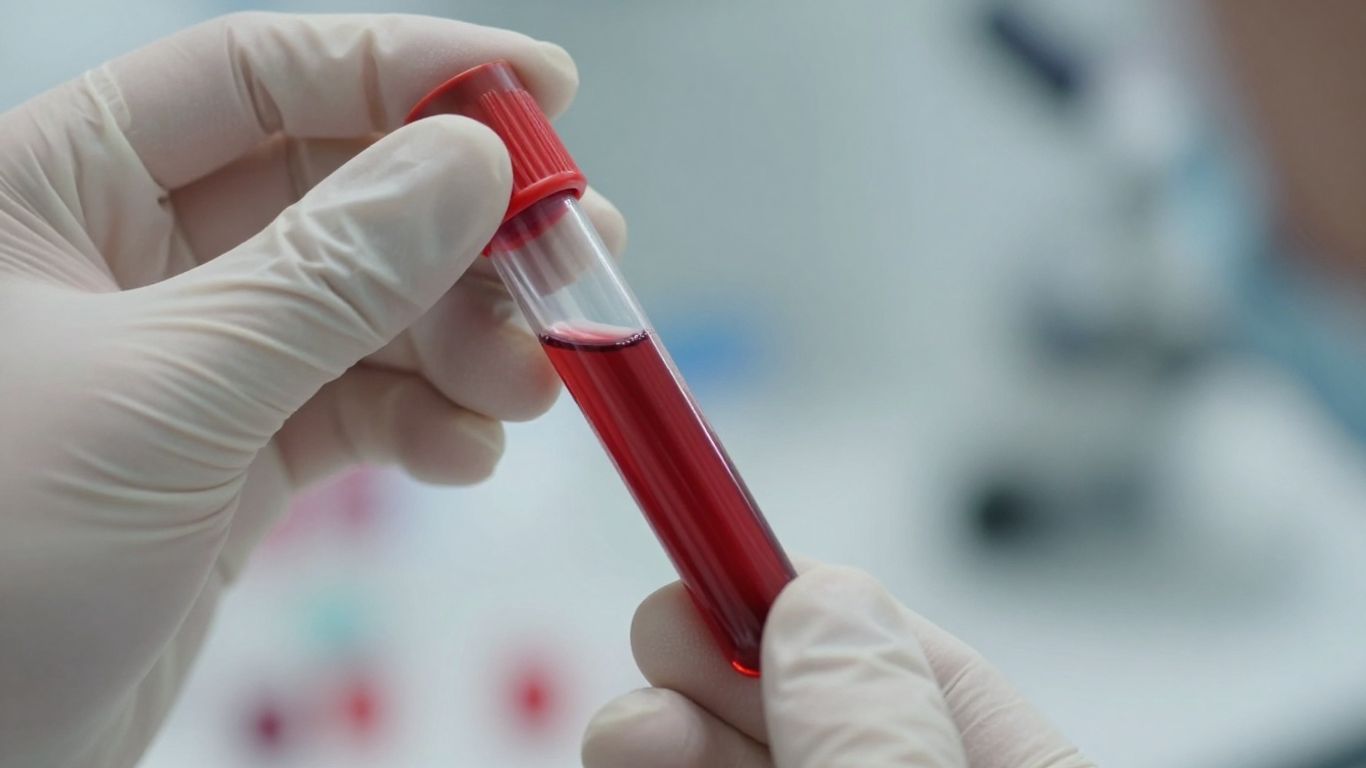
The Serum NTX test, or N-telopeptide of type I collagen, is another marker that helps us understand what’s happening with bone turnover. Specifically, it’s a marker for bone resorption, which is the process where old bone tissue is broken down. Think of it like the body’s demolition crew for bone.
This test can be really useful when doctors are trying to see how well a treatment for osteoporosis is working. If you’re on medication to slow down bone loss, a decrease in your NTX levels after a few months can be a good sign that the drug is doing its job. It suggests that the ‘demolition’ process is slowing down.
Here’s a quick rundown of what it tells us:
What it measures: Breakdown products of type I collagen, a major protein in bone.
What it indicates: The rate at which bone is being resorbed or broken down.
Why it’s used: To monitor the effectiveness of osteoporosis treatments, particularly those aimed at reducing bone breakdown.
It’s important to note that NTX can be measured in both serum (blood) and urine, though the serum version is often preferred for monitoring certain treatments. Like other bone turnover markers, it’s best to use the same lab and method for repeat tests to get accurate comparisons over time. Also, results can vary throughout the day, so tests are usually done in the morning.
When you get your NTX results, remember they’re just one piece of the puzzle. Doctors look at these markers alongside your bone density scans and overall health picture to make the best decisions about your care. A significant drop in NTX levels after starting treatment is generally a positive sign, suggesting the medication is helping to preserve your bone structure.
8. Procollagen Type 1 N-Propeptide Test
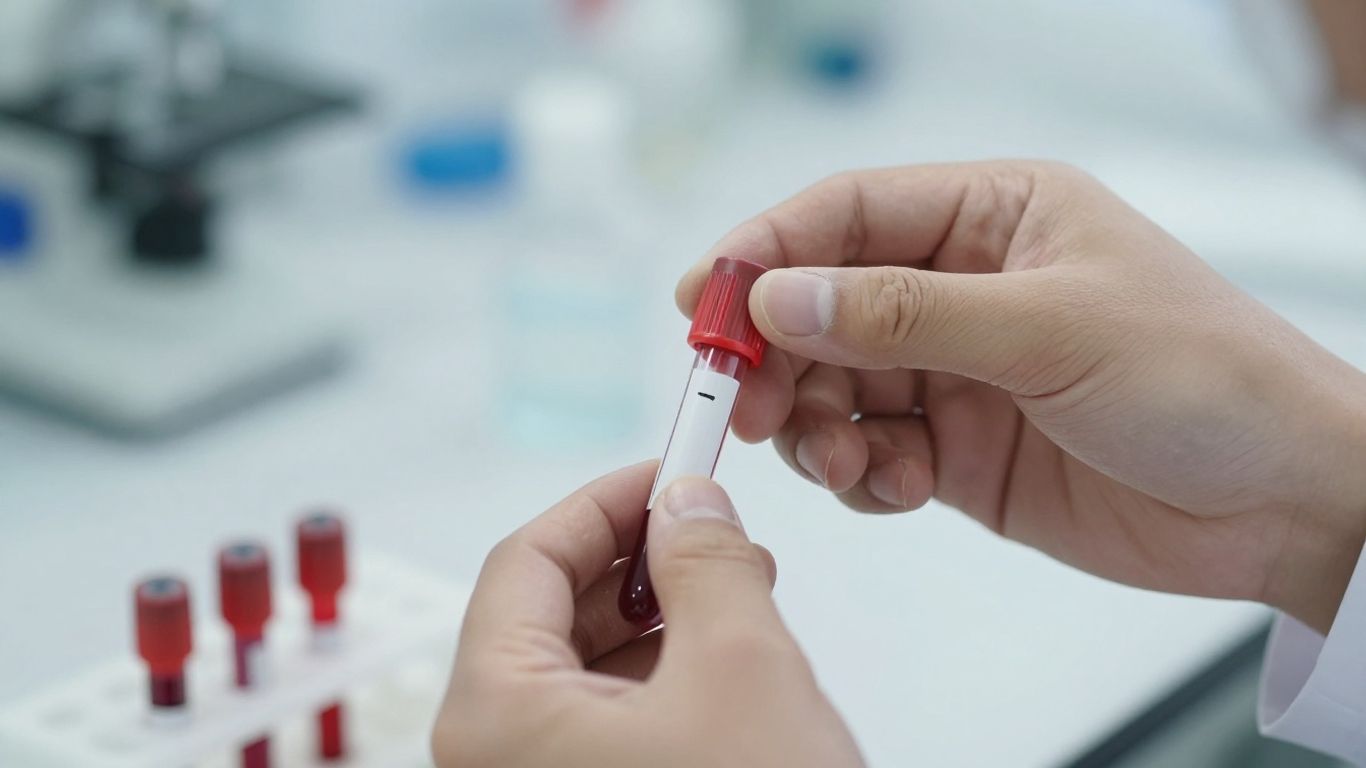
When we talk about bone health, we’re often looking at how well our bones are being built and how much is breaking down. The Procollagen Type 1 N-Propeptide test, often shortened to PINP, is one of the key players in figuring out the bone formation side of things. Think of it as a marker that tells us how actively your body is making new bone tissue.
This test is particularly useful when monitoring treatments aimed at building bone. If you’re on a medication designed to help your bones get stronger, a rising PINP level can be a good sign that the treatment is working. It’s like getting a report card for your bone-building cells.
Here’s a bit more about what PINP tells us:
What it measures: PINP is a small piece that breaks off from type 1 collagen when new bone is being made. Type 1 collagen is the main protein found in bone.
Why it’s important: High levels can indicate increased bone formation, which is good when you’re trying to treat conditions like osteoporosis. Low levels might suggest bone formation is slowing down.
Monitoring treatment: Doctors often use PINP to see if osteoporosis medications that stimulate bone growth are effective. They’ll usually check it before starting treatment and then again a few months later to see the change.
It’s worth noting that PINP levels can be influenced by kidney function, as the kidneys help clear it from the body. So, if someone has kidney issues, a doctor might look at other markers instead, like bone-specific alkaline phosphatase.
Doctors use PINP to get a clearer picture of how your body is responding to treatments designed to increase bone mass. It’s a way to track progress beyond just looking at bone density scans, especially in the earlier stages of therapy.
9. Total Testosterone Test
When we talk about bone health, we often focus on calcium and vitamin D, but there’s another player that’s pretty important, especially for men: testosterone. You might think of it as just a sex hormone, but it actually has a role in keeping our bones strong too.
Low testosterone levels can contribute to bone loss and increase the risk of osteoporosis in men. It’s not just about muscle mass or energy levels; testosterone helps with bone formation and maintenance. So, if you’re a man experiencing unexplained bone fractures or have been diagnosed with osteoporosis, checking your testosterone levels is a good idea.
Here’s a quick rundown of why it matters:
Bone Formation: Testosterone plays a part in how your body builds new bone tissue.
Bone Density: It helps maintain the density and strength of your bones over time.
Muscle Strength: While not a direct bone marker, strong muscles support your skeletal system, and testosterone influences muscle mass.
It’s usually measured with a simple blood draw. The results can help your doctor figure out if hormone levels are contributing to any bone issues you might be having. If levels are low, there are treatments that can help bring them back into a healthier range, which can then support your bone health goals.
While often associated with men, women also produce testosterone, though in much smaller amounts. However, for the purpose of bone health assessment in the context of osteoporosis, the total testosterone test is primarily considered for men due to the more significant impact of its deficiency on bone density in this population.
10. Serum TSH Test
You might not immediately think of your thyroid when you’re thinking about bone health, but there’s a connection. The thyroid gland makes hormones that control how your body uses energy, and if it’s not working right, it can mess with your bones. That’s where the Serum TSH test comes in.
TSH stands for Thyroid-Stimulating Hormone. It’s made by your pituitary gland, and it tells your thyroid how much thyroid hormone to produce. If your TSH levels are off, it can lead to bone loss.
Why is this important for bone health? Well, having too much thyroid hormone (hyperthyroidism) can speed up bone turnover. This means your body breaks down old bone faster than it can build new bone, leading to weaker bones over time. On the flip side, while hypothyroidism (too little thyroid hormone) isn’t as directly linked to bone loss, it can still affect bone metabolism.
So, if you’re experiencing unexplained bone loss, especially if you have symptoms of thyroid issues like unexplained weight changes, fatigue, or changes in heart rate, your doctor might order a TSH test. It’s a simple blood test that helps paint a bigger picture of your overall health, including how your bones are doing.
When is a TSH Test Recommended for Bone Health?
When osteoporosis is diagnosed, especially in individuals who are taking thyroid hormone replacement therapy.
If you have symptoms suggestive of hyperthyroidism (overactive thyroid) or hypothyroidism (underactive thyroid).
As part of a general workup for secondary causes of bone loss.
While the TSH test is a good indicator of thyroid function, it’s just one piece of the puzzle when it comes to bone health. It’s usually ordered alongside other tests to get a complete understanding of what’s going on with your bones and overall metabolism.
Wrapping It Up
So, we’ve gone over a few of the main blood tests that can give you and your doctor a good look at what’s going on with your bone health. Things like calcium and vitamin D are pretty standard, but there are other markers that can offer more clues, especially if you’re dealing with bone loss or osteoporosis. Remember, these tests are just one piece of the puzzle. Your doctor will put all the info together – your history, symptoms, and these test results – to figure out the best plan for you. Don’t hesitate to ask questions about what your results mean and what the next steps might be. Taking care of your bones is a marathon, not a sprint, and staying informed is a big part of that.
Frequently Asked Questions
What is a calcium blood test and why is it important?
A calcium blood test checks how much calcium is in your blood. Calcium is super important for your nerves, muscles, and heart to work right. It also helps your blood vessels carry blood and helps your body release important stuff called hormones. Too much or too little calcium could mean there’s a problem with your bones, thyroid, kidneys, or other parts of your body.
Do I need to do anything special before a calcium blood test?
Usually, you don’t need to do much to get ready for a calcium blood test. However, your doctor might tell you to stop taking certain medicines or vitamins, like vitamin D, for a little while before the test. It’s really important to tell your doctor about everything you take, but don’t stop taking anything without their okay.
Can a calcium blood test tell me if I have osteoporosis?
No, a calcium blood test doesn’t directly tell you if you have osteoporosis, which is a condition where bones become weak. While calcium is a building block for bones, the test only measures calcium in your blood, not in your bones. To check bone strength, doctors often use a special X-ray called a bone density scan, or DEXA scan.
What are ‘bone turnover markers’ and why are they used?
Bone turnover markers are substances in your blood or pee that give clues about how fast your body is building or breaking down bone. Tests for these markers can help doctors see if treatments for bone problems like osteoporosis are working. They can show if your body is responding well to medicine by either building more bone or breaking down less bone.
How do Vitamin D levels affect bone health?
Vitamin D is like a key that helps your body soak up calcium from the food you eat. Even if you eat a lot of calcium, without enough vitamin D, your body can’t use it properly. This can lead to weaker bones over time, so checking your vitamin D levels is a key part of checking on your bone health.
Are there other blood tests that help check bone health?
Yes, besides calcium and vitamin D, there are other tests. For example, parathyroid hormone (PTH) helps control calcium levels. Tests like bone-specific alkaline phosphatase, osteocalcin, and markers like CTX and NTX can show how actively your bones are being built or broken down. Hormone tests, like for testosterone in men, can also be important for bone strength.