

You know, sometimes it feels like our bodies are just these complex machines, and keeping them running smoothly can be a mystery. That's where tests like the CMP come in. It's a pretty common blood test that doctors use to get a general idea of what's going on inside. Think of it as a quick check-up for your body's internal workings. We'll break down what this CMP test is all about, why your doctor might order it, and what those numbers actually mean for your health.
Key Takeaways
- A CMP test checks 14 different substances in your blood to give doctors a snapshot of your overall health.
- It helps assess kidney and liver function, blood sugar levels, and the balance of electrolytes and proteins in your body.
- While similar to a BMP test, a CMP includes additional tests for liver enzymes and proteins.
- Preparation might involve fasting, and results are interpreted alongside your medical history and other factors.
- Abnormal CMP results can signal potential health issues, but further testing is often needed for a diagnosis.
Understanding The CMP Test

A Comprehensive Metabolic Panel, or CMP, is a common blood test that gives your doctor a snapshot of your overall health. Think of it as a quick check-up for your body's internal workings. It measures 14 different substances in your blood, offering insights into how well your kidneys and liver are functioning, your body's fluid and electrolyte balance, and your blood sugar and protein levels. This test is incredibly useful for both routine wellness checks and for monitoring various health conditions or the effectiveness of treatments.
What Is A Comprehensive Metabolic Panel?
A CMP is a panel of blood tests that checks 14 different things. It looks at things like your blood sugar (glucose), electrolytes (like sodium and potassium), kidney function markers (BUN and creatinine), and liver function markers (like ALP, ALT, AST, and bilirubin). It also measures your total protein and albumin levels. It's a really broad look at what's going on inside your body, giving your doctor a lot of information from just one blood draw. It's sometimes called a "chem 14" or "chemistry panel." You can learn more about what a CMP checks on testing.com.
Why Is A CMP Test Performed?
Doctors often order a CMP as part of a regular physical exam. It's a great way to catch potential health issues early, sometimes even before you notice any symptoms. Beyond routine checks, a CMP is also used to:
- Monitor chronic conditions like diabetes or kidney disease.
- Check how well your kidneys and liver are working.
- Evaluate your electrolyte and fluid balance.
- See how certain medications are affecting your body.
- Assess your nutritional status.
CMP Test Versus BMP Test
You might hear about a Basic Metabolic Panel (BMP) too, and it's good to know the difference. A BMP is like a shorter version of the CMP. It measures about 8 of the same substances, focusing mainly on electrolytes, kidney function, and blood sugar. The CMP includes everything the BMP does, plus tests for liver function (like enzymes and bilirubin), and protein levels (albumin and total protein). Your doctor will decide which test is best for you based on your health history and what they need to check.
A CMP gives a wider view of your body's chemistry than a BMP. It's like comparing a detailed map to a more general overview; both are useful, but for different purposes.
What Does A CMP Test Measure?
So, what exactly does this CMP test look at? Think of it as a snapshot of what's going on inside your body, giving your doctor a good overview of your general health. It measures a bunch of different things in your blood, and each one tells a little story.
Electrolytes And Fluid Balance
This part of the test looks at minerals like sodium, potassium, chloride, and bicarbonate (also known as CO2). These are super important because they help keep the right amount of fluid in your body and also manage the balance of acids and bases, which is pretty key for everything to work right. If these levels are off, it could point to issues with your kidneys or even dehydration.
Kidney And Liver Function Markers
Your kidneys and liver are like your body's filtration system, and the CMP checks how well they're doing their job. For kidney function, it usually checks BUN (blood urea nitrogen) and creatinine. These are waste products that your kidneys are supposed to filter out. If they're high, it might mean your kidneys aren't working as efficiently as they should. For the liver, the test looks at things like ALP, ALT, AST (which are enzymes made in the liver) and bilirubin (a waste product from red blood cells). High levels here can suggest the liver might be stressed or damaged. It's a good way to get a general idea of liver health.
Blood Glucose And Protein Levels
This section checks your blood glucose, which is basically your blood sugar. It's a main source of energy for your body, and high levels can be a sign of diabetes. The test also measures protein levels, specifically albumin (the main protein in your blood, made by the liver) and total protein. These proteins do a lot of work, like helping with healing and fighting infections. If your protein levels are unusual, it could also hint at liver or kidney problems, or issues with your nutrition.
It's important to remember that one slightly off number doesn't automatically mean something is seriously wrong. Doctors look at all these results together, along with your medical history and any medications you're taking, to get the full picture.
Preparing For Your CMP Blood Test
Getting ready for a Comprehensive Metabolic Panel (CMP) is usually pretty straightforward, but there are a few things to keep in mind to make sure your results are as accurate as possible. It’s not usually a big deal, but a little preparation goes a long way.
Fasting Requirements For A CMP
One of the most common preparation steps for a CMP is fasting. This means you'll need to avoid eating or drinking anything, except water, for a specific period before your blood draw. Typically, this fasting window is around 8 to 12 hours. It’s important to stick to this because food and drinks can affect certain levels in your blood, like glucose and some electrolytes, which could skew your results. Always check with your doctor or the lab about the exact fasting instructions they want you to follow.
Medications And Other Factors
It's also really important to let your doctor know about any medications, supplements, or even herbal remedies you're taking. Some of these can influence your CMP results. For instance, certain diuretics or blood pressure medications might affect electrolyte levels. Your doctor will tell you if you need to stop taking any of your regular medications before the test, but never stop taking anything without their explicit instruction. Things like recent exercise, stress, or even how much water you've had to drink can also play a role, so it's good to be mindful of those too.
What To Expect During The Test
When you go in for your CMP, a healthcare professional will draw your blood, usually from a vein in your arm. They'll clean the area, insert a small needle, and collect a blood sample into a tube. It's a quick process, often taking less than five minutes. You might feel a little pinch or sting when the needle goes in and comes out. Afterward, they'll put a bandage on the spot. There's very little risk involved, though you might notice some slight soreness or a small bruise where the blood was taken. If you're getting a blood test for your child, explaining the process beforehand can help ease any worries they might have about getting their blood drawn.
Interpreting Your CMP Test Results
Understanding Normal Ranges
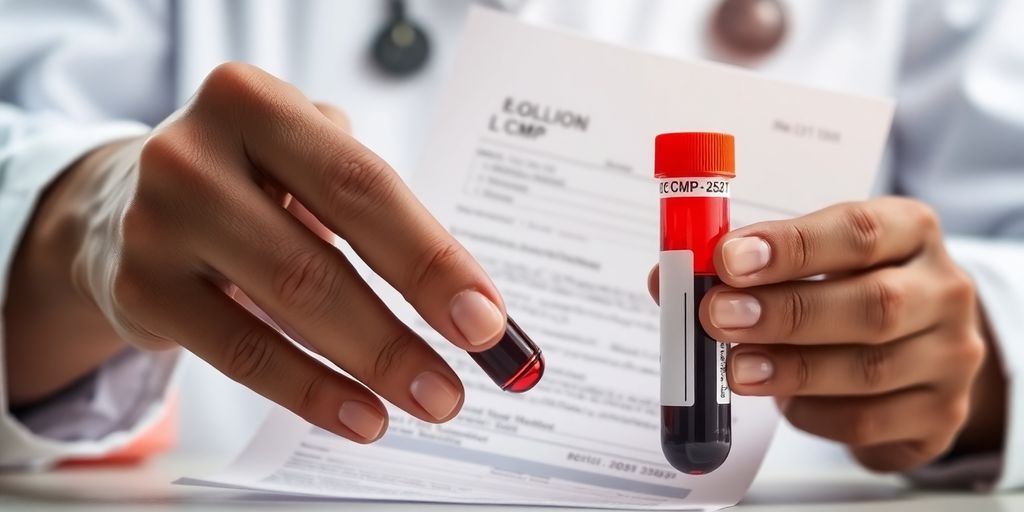
When your CMP results come back, you'll see a list of numbers, each corresponding to a specific substance measured in your blood. It's important to remember that 'normal' ranges can vary slightly between different labs. Your report will typically include the normal range for each test alongside your result. Your doctor will compare your numbers to these specific ranges to see if they fall within the expected limits. Don't get too caught up in trying to interpret these numbers yourself; your healthcare provider is the best person to explain what they mean in the context of your overall health.
What Abnormal Results May Indicate
If one or more of your CMP results are outside the normal range, it doesn't automatically mean something is seriously wrong. However, it can signal potential issues that warrant further investigation. For instance, elevated blood glucose might point towards diabetes, while unusual kidney function markers could suggest problems with those organs. Similarly, abnormal liver enzyme levels might indicate liver strain or damage. It's also worth noting that phosphorus levels, when high, can sometimes be linked to kidney or parathyroid gland issues. Your doctor will consider these results alongside your medical history and other symptoms to figure out the next steps, which might include repeat testing or more specialized evaluations. You can learn more about what blood tests measure on pages about lab tests.
Factors Affecting Test Outcomes
It's not just about the numbers themselves; several external factors can influence your CMP results. Things like not eating or drinking for the required time before the test, recent strenuous exercise, or even being pregnant can affect certain readings. Certain medications you're taking can also play a role. If your doctor notices any unexpected numbers, they'll likely ask you about these factors. They might suggest repeating the test or ordering additional ones to get a clearer picture of what's going on. It's always a good idea to let your doctor know about any medications or supplements you're taking before your test.
Your CMP results are a snapshot of your body's current state. They provide valuable clues, but they are just one piece of the puzzle. Always discuss your results with your doctor to get a complete understanding of your health.
When To Discuss CMP Results With Your Doctor
So, your CMP results are in. What now? It’s totally normal to feel a bit overwhelmed by all the numbers and what they might mean. The most important step is to talk with your doctor. They're the ones who can put everything into perspective for you.
Signs Of Potential Health Conditions
Sometimes, a CMP can flag things that might be going on with your health. For instance, if your blood glucose is high, it could point towards diabetes. Similarly, certain markers might suggest issues with your kidneys or liver. It’s not a diagnosis on its own, but it’s a clue that your doctor will use.
Monitoring Treatment Effectiveness
If you're already being treated for a condition, your doctor might use CMP results to see how well the treatment is working. Changes in certain levels can show if a medication is helping or if it's causing any unexpected side effects, like impacting your liver. It’s a way to fine-tune your care.
Clarifying Your Health Status
Even if you feel perfectly fine, a CMP can give you a snapshot of your overall health. It helps your doctor understand your body's basic functions and can catch potential problems before they become serious. Think of it as a regular check-up for your internal systems. If you have questions about your kidney function, for example, your doctor might order additional tests, like checking your albumin-to-creatinine ratio.
It's also good to remember that things like what you ate before the test, your hydration levels, or even recent exercise can sometimes tweak the numbers. Your doctor will consider all these factors when they look at your results. Don't hesitate to ask them to explain anything that seems unclear. They're there to help you understand your health.
Wrapping Up: Your CMP and Your Health
So, that's the rundown on the CMP blood test. It's a pretty standard check that gives your doctor a good look at what's going on inside, from how your kidneys and liver are doing to your body's sugar and electrolyte levels. Remember, the numbers themselves are just part of the story. Your doctor puts them together with your health history and any symptoms you might have to get the full picture. If any results are a bit off, don't panic – it often means more questions need to be asked or maybe another test is needed. The main thing is to chat with your doctor about what your CMP means for you. It's a simple way to keep tabs on your health over time.
Frequently Asked Questions
What exactly does a CMP blood test measure?
A CMP test checks 14 different things in your blood. It helps your doctor understand how well your kidneys and liver are working, checks your sugar and protein levels, and looks at the balance of fluids and certain minerals in your body. It's like a quick check-up for many important parts of your body.
Do I need to do anything special before the test, like fasting?
Most of the time, you might need to avoid eating or drinking anything except water for about 8-12 hours before the test. Your doctor will tell you if you need to fast and for how long. It's important to follow their instructions so the results are accurate.
How do I understand my CMP test results?
When you get your results, you'll see a list of numbers. Your doctor will compare these numbers to what's considered normal. They'll also think about your health history, any medicines you're taking, and other things that might affect the results. Don't hesitate to ask your doctor to explain what your numbers mean for your health.
What if my CMP results are not normal?
If some numbers are higher or lower than normal, it could mean a few things. For example, high blood sugar might suggest diabetes. But a single off number doesn't always mean something is wrong. Your doctor will look at all the results together and might order more tests to figure things out.
How is a CMP different from a BMP test?
A CMP is different from a BMP (Basic Metabolic Panel). A BMP checks fewer things, usually about 8, and doesn't include tests for liver enzymes or total protein. Your doctor chooses which test is best based on what they need to check.
Why would my doctor order a CMP test?
A CMP is usually done as part of a regular check-up to keep an eye on your overall health. You might also need it if you have symptoms that could be related to kidney or liver problems, or if your doctor wants to see how your body is responding to a certain medicine or treatment.